
Rubén Blades
Panamanian salsa artist, actor, and former presidential candidate.

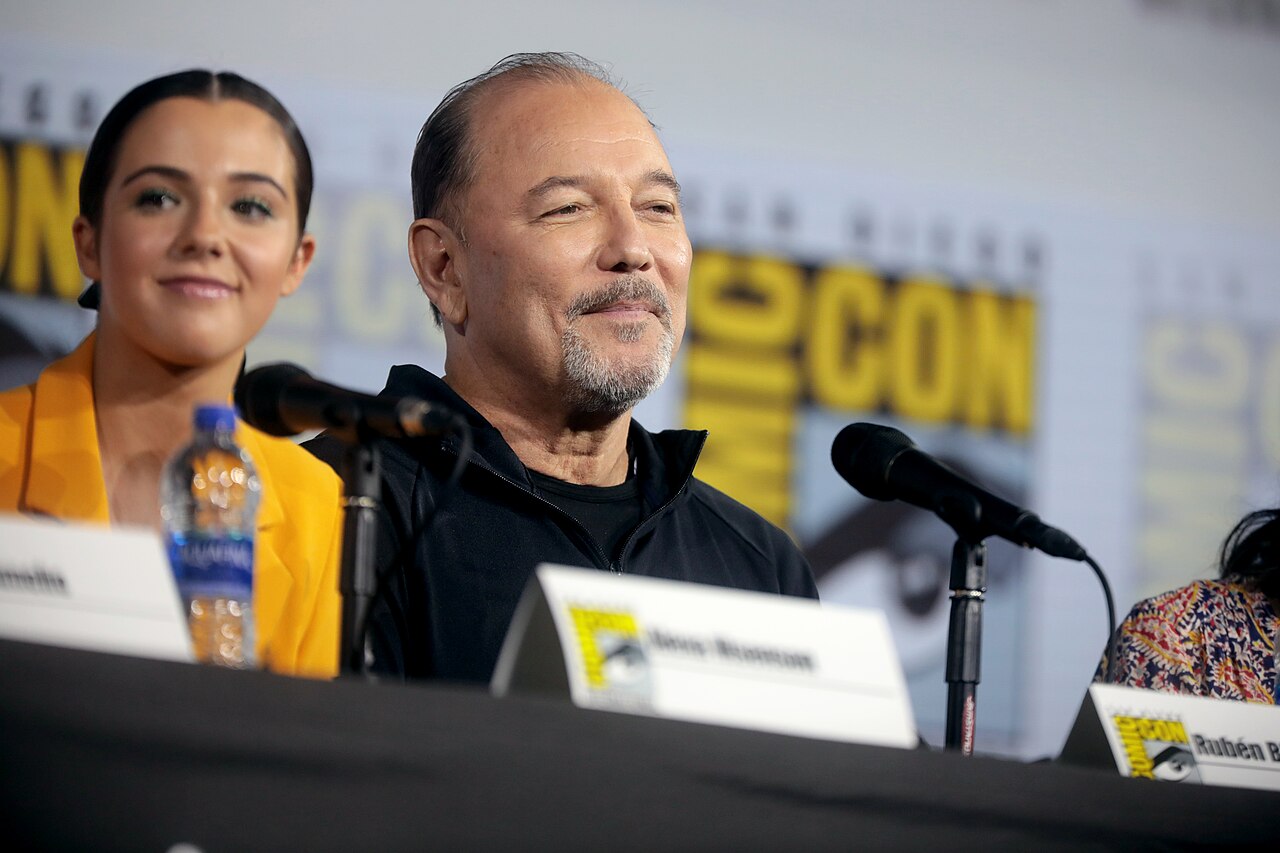
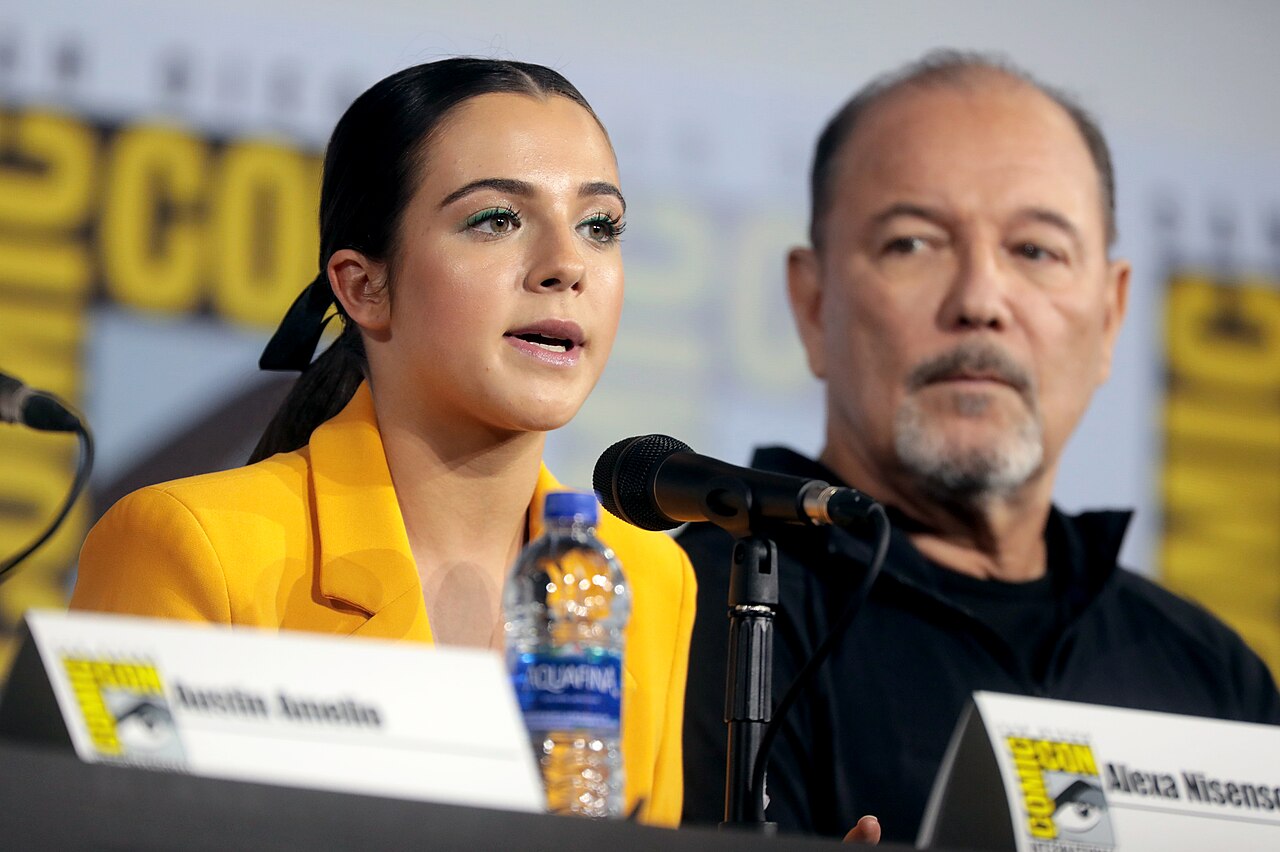
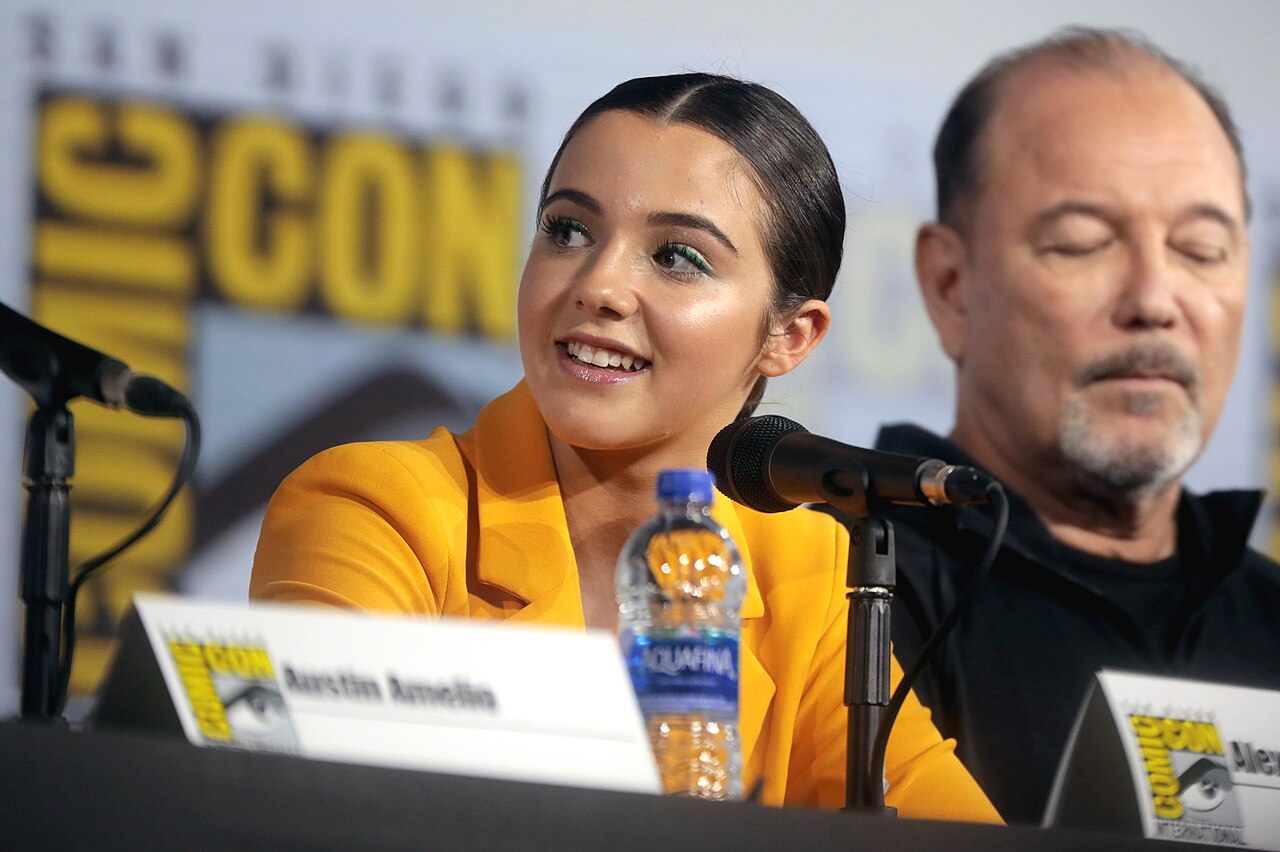
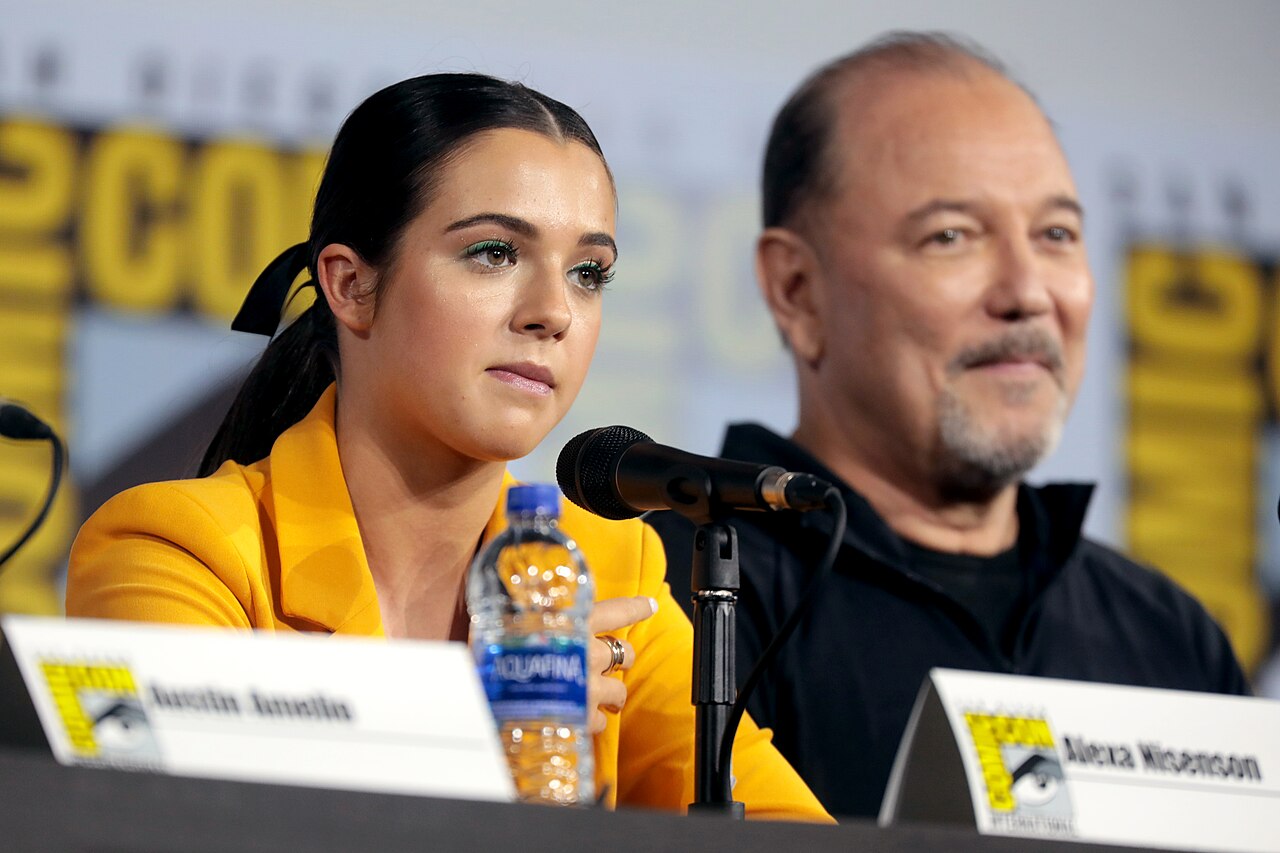
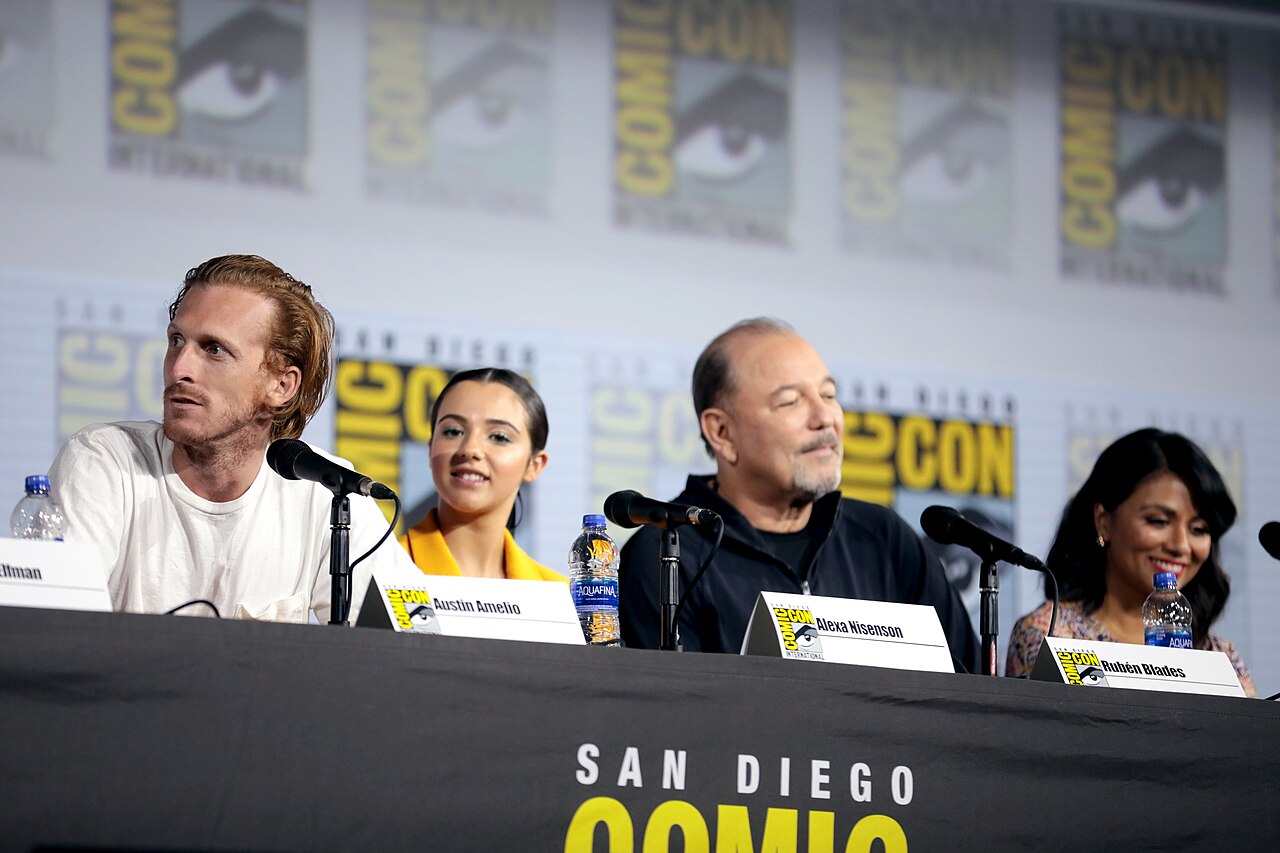
Gage Skidmore from Peoria, AZ, United States of America · CC BY-SA 2.0
He is known for bringing lyrical sophistication and politically inspired themes to salsa and Latin jazz. 156 on the Billboard Top Pop Albums.
- nationality
- Panamanian
Lore & Background
Blades was born in Panama City to a Colombian mother and Cuban father. Nothing but the Truth was released in 1987 and was marketed as Blades's first album of entirely English-language songs. It peaked at No. 156 on the Billboard Top Pop Albums chart. Blades signed a contract in 1983 to produce an English-language album. He contributed explanatory liner notes to each song and had the lyrics printed in Spanish and English.
Reader's Guide
Rubén Blades is significant for transforming salsa music by integrating socially conscious lyrics and complex narratives. Nothing but the Truth, released in 1988, was marketed as his first album of entirely English-language songs. It peaked at No. 156 on the Billboard 200. The album features collaborations with Lou Reed, Elvis Costello, and Sting. Blades signed a contract in 1983 to produce an English-language album. He contributed explanatory liner notes to each song and had the lyrics printed in Spanish and English.
Did You Know?
- Nothing but the Truth was marketed as Blades's first album of entirely English-language songs.
- Blades met Lou Reed during the recording sessions for 'Sun City' and they co-wrote three tracks together.
- Elvis Costello was invited to Blades's home in California to co-write 'Shamed into Love' and 'The Miranda Syndrome'.
- Sting co-wrote the song 'I Can't Say' with Rubén Blades for the album.
- The album peaked at No. 156 on the Billboard Top Pop Albums chart.
Production & Star-Studded Collaborations
Blades had been planning an English-language record since signing a contract in 1983, and when Nothing but the Truth finally arrived in 1988, it carried the fingerprints of several major songwriters. He met Lou Reed on the set of the "Sun City" music video, and that encounter produced three co-written tracks: "Hopes on Hold," "Letters to the Vatican," and "The Calm Before the Storm." For a different pair of songs, "Shamed into Love" and "The Miranda Syndrome," Blades invited Elvis Costello to his home in California to work on the material together. Sting contributed the composition for "I Can't Say," while percussionist Paulinho da Costa played various percussive instruments on the album. Blades also took a hands-on approach to the album's presentation, writing explanatory liner notes for every track and having all lyrics printed in both Spanish and English so that listeners could follow the meaning regardless of which language they spoke.
Songs That Took a Stand
The album's lyrical content is where Blades made his boldest statements. "The Letter" is directed to a friend who is suffering from AIDS, a deeply personal subject for 1988. "Ollie's Doo Wop" criticizes the Iran-Contra affair in the form of a doo-wop song, turning a lighthearted genre into a vehicle for political anger. "In Salvador" is about death squads in El Salvador, while "Letters to the Vatican" is a story about an alcoholic woman who sends letters to Pope John Paul II. "The Hit" describes gang warfare in East Los Angeles, California, and the New York Times compared its sprawling scope to a Bruce Springsteen mini-epic from the mid-1970s. Together these tracks show Blades refusing to soften his message for an English-speaking audience; the politics remain as pointed and specific as they had been in his earlier Spanish-language work.
A Divided Critical Verdict
Reviewers split sharply on whether the star-studded collaborations elevated or diluted the record. The New York Times praised the musical range, spanning a cappella rock harmonies all the way to hard, Latin-inflected rock, and Stephen Holden later ranked it the fifth best album of 1988. The Toronto Star hailed it as a genuinely eloquent cross-cultural phenomenon, blending salsa, reggae, rhythm 'n' blues, doo-wop, hard rock, Celtic folk elements and contemporary jazz. On the other side, the Chicago Tribune felt the artist's signature sonic identity had given way to what felt like strained lyrics backed by the thumping of electric bass and drums. Robert Christgau was openly dismissive, writing that it was just what WEA needed, another Jackson Browne album. The Chicago Sun-Times offered a nuanced take, arguing that each collaborator's strong musical identity was simultaneously the album's greatest strength and its chief weakness, setting it apart from the bland calculation of most crossover attempts. AllMusic settled on describing the whole as late-'80s MOR with a Latin lilt, while Trouser Press opined that the Costello songs were the album's best tracks.
Crossing Over, and the Numbers That Followed
Nothing but the Truth was marketed as the first record in which every track was sung in English, a deliberate strategic move to reach audiences well beyond the Latin music market. The commercial result was modest by mainstream standards: the record peaked at number 156 on the Billboard 200, a position that suggests it found a dedicated listener base without breaking into the broader pop charts. The album's very premise—translating a salsa-rooted, politically charged catalog into English while keeping collaborators like Lou Reed, Elvis Costello, and Sting in the writing room—made it a high-profile crossover experiment. Critics noted that this ambition gave the record a distinctiveness that set it apart from what the Chicago Sun-Times called the bland calculation of most crossover attempts, even as others felt the translation process strained the material. Ultimately, the album stands as a document of an artist testing how far his voice could travel across language and genre boundaries in the late 1980s.
Gallery

Frequently Asked Questions
Who is Rubén Blades?
Rubén Blades is a Panamanian salsa singer, songwriter, and actor who later entered politics as a presidential candidate in Panama. He is widely regarded as one of the most influential figures in the history of salsa music.
What makes Rubén Blades's music stand out from other salsa?
He elevated the genre by weaving sharp social commentary, political critique, and literary storytelling into his lyrics, moving salsa far beyond its usual party-oriented themes. This lyrical depth helped reshape how Latin jazz and salsa could address real-world issues.
Did Rubén Blades actually run for president?
Yes. After building his career in music and film, he entered Panamanian politics and ran as a presidential candidate, making him one of the few major Latin music stars to seek the highest office in his home country.
How did Rubén Blades perform on the U.S. Billboard charts?
His work reached number 156 on the Billboard Top Pop Albums chart, a notable showing for a salsa and Latin jazz artist in a market dominated by English-language pop and rock.
Why is Rubén Blades considered important to Latin music history?
He proved that salsa and Latin jazz could carry the same intellectual and political weight as protest folk or spoken-word traditions, opening the door for later artists to tackle inequality, corruption, and social justice in their songs.
More in Latin Music Icons 1-24
Spotted an error? Know more?
This is a living reference — every entry is fact-audited, and reader corrections feed straight into our audit queue. Suggest an edit · See this site's audit record