
Amália Rodrigues
Portuguese fado singer who popularised the genre globally.

via Wikipedia: 2025 in Latin music · see source
She was instrumental in popularising fado worldwide and remains the best-selling Portuguese artist in the history of recorded music.
- field
- Fado singer (fadista), actress
- nationality
- Portuguese
- known_for
- Popularising fado worldwide; best-selling Portuguese artist in recorded music history
Lore & Background
She grew up in poverty and did odd jobs such as selling fruit on Lisbon's quays. In the 1970s, Rodrigues concentrated on live concerts.
Reader's Guide
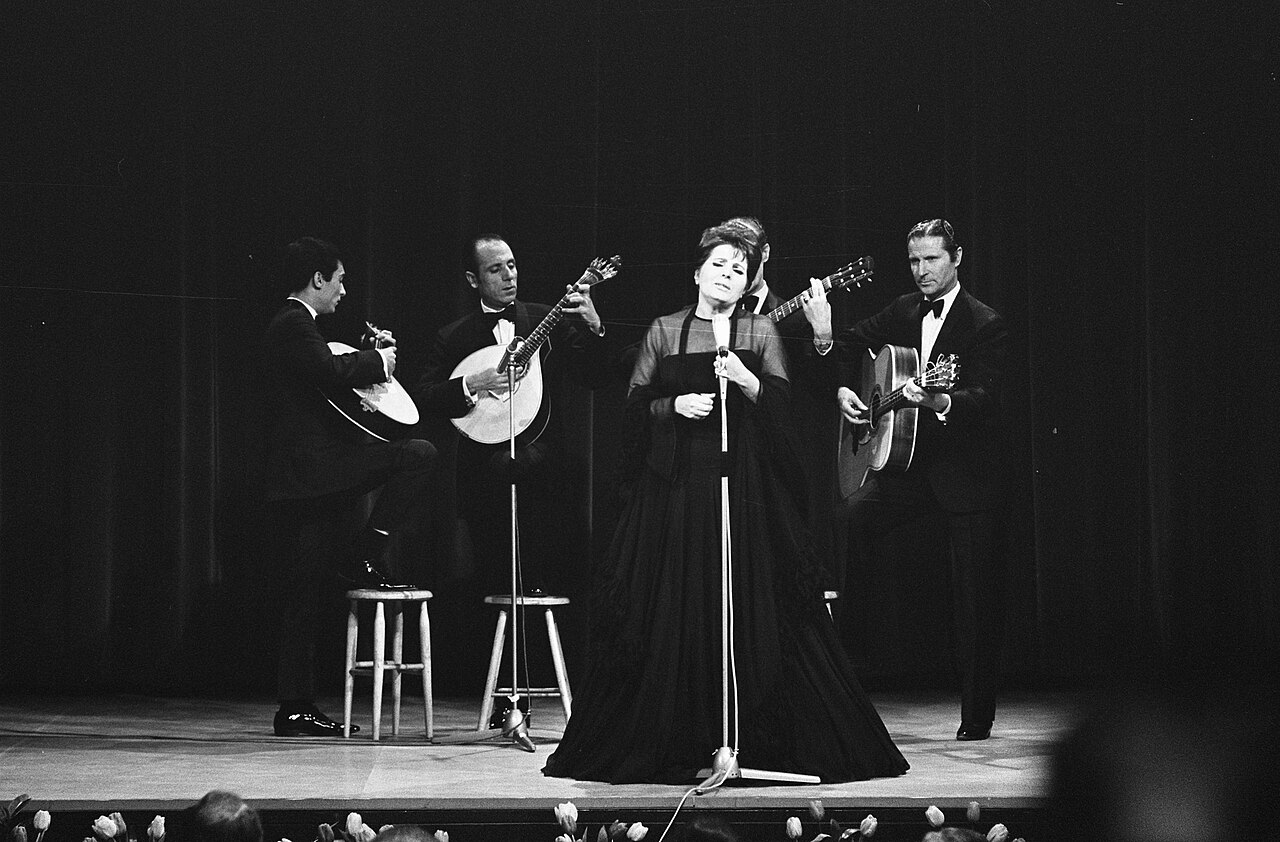
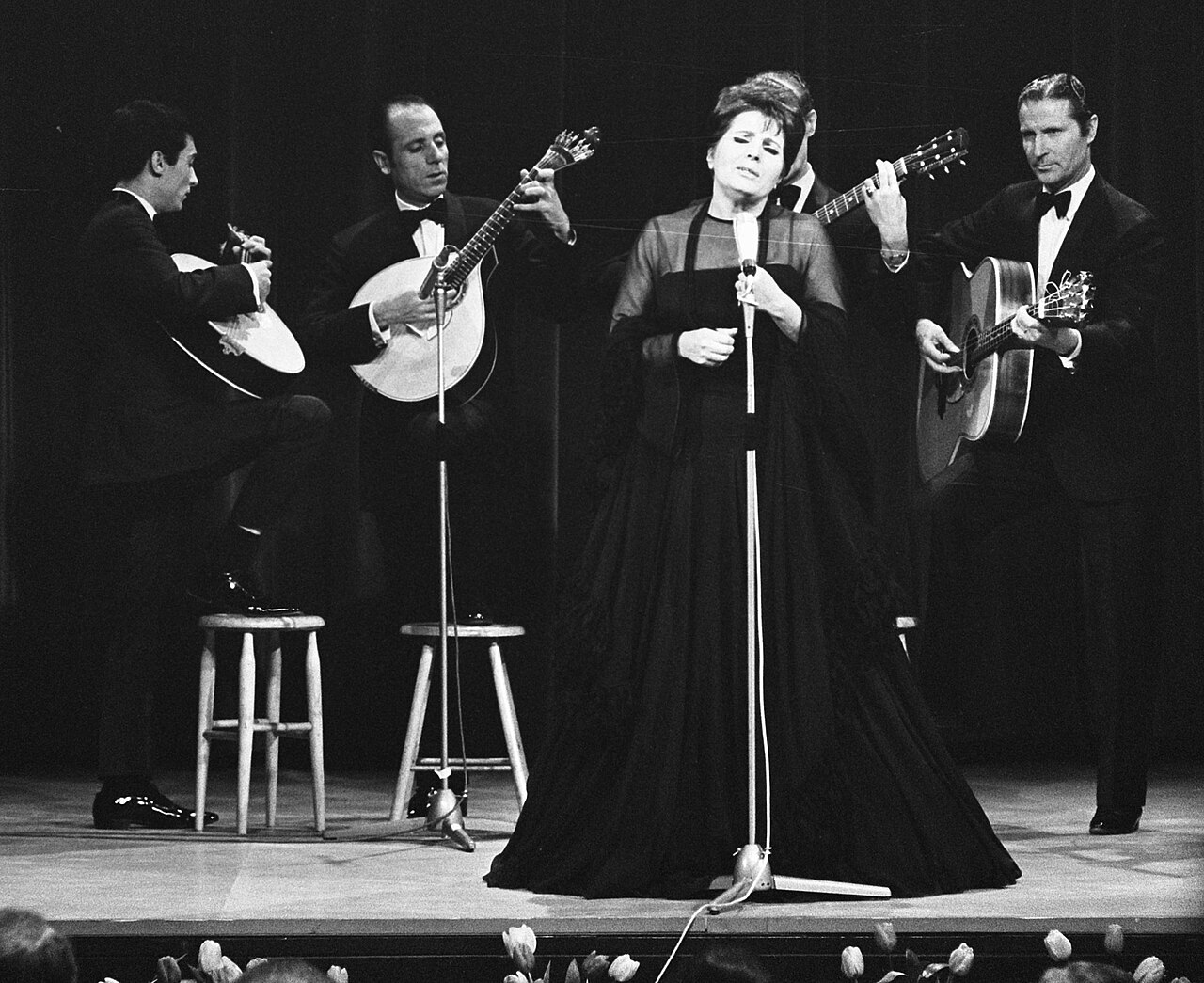
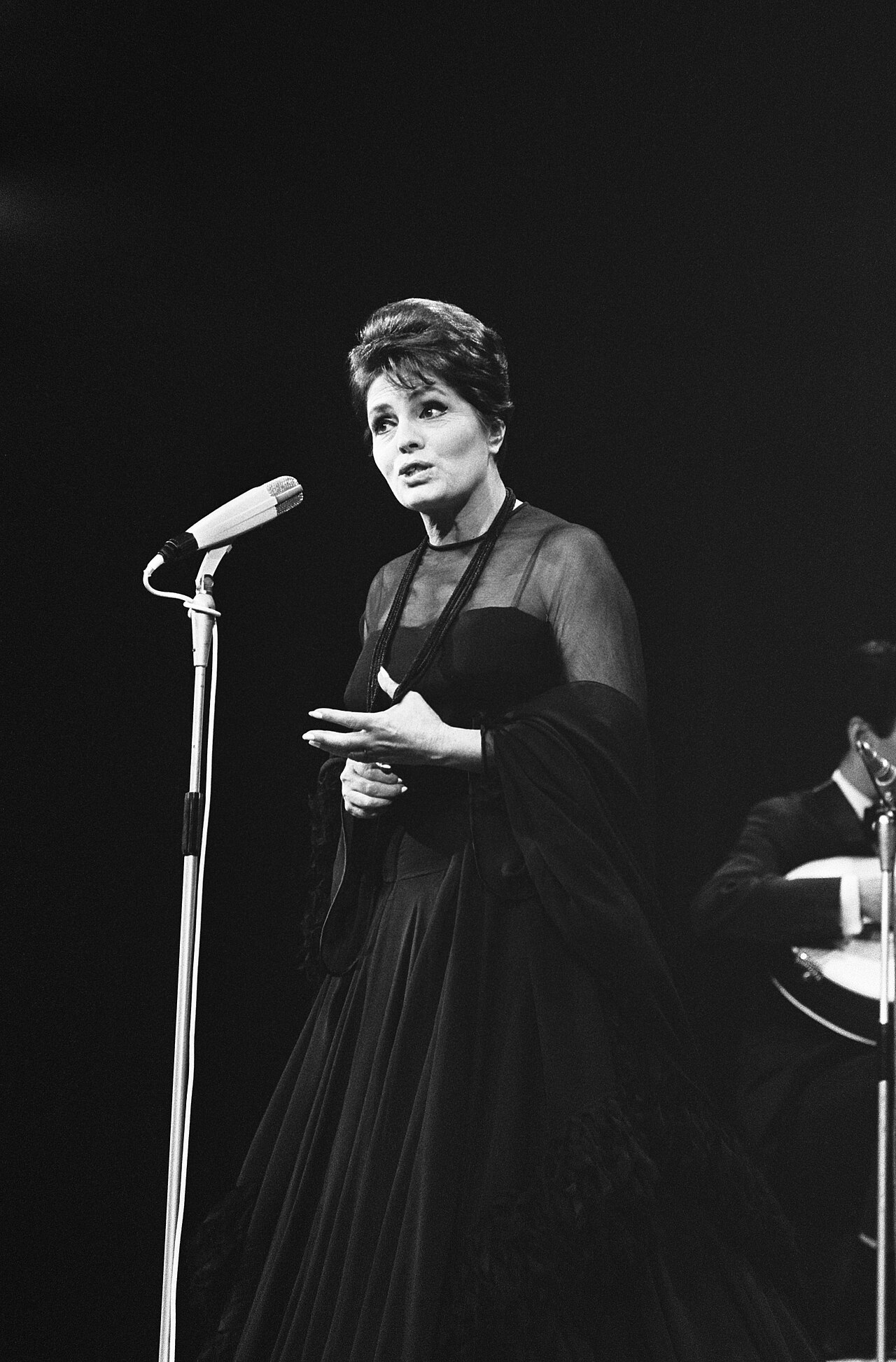
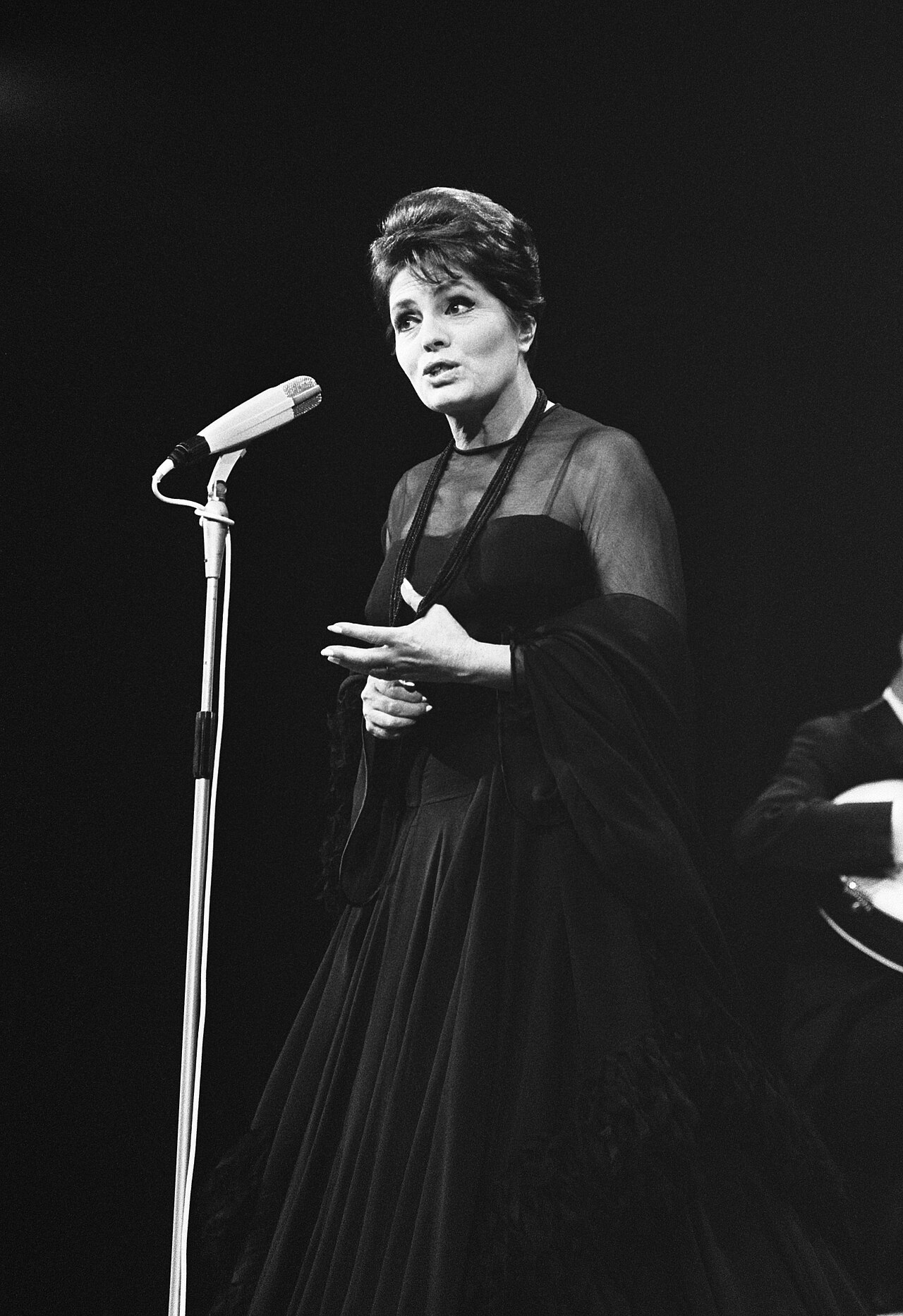
Amália Rodrigues is central to the history of fado, having transformed it from a local Portuguese genre into an internationally recognised art form. Her extensive international travel and performances—from Madrid and Paris to the US, Brazil, Japan, and the USSR—brought fado to global audiences. Her voice, which changed over time to a lower pitch with new intensity, and her signature songs remain emblematic of Portuguese culture.
Did You Know?
- She recorded an album of American songs with Norrie Paramor's orchestra, titled Amália On Broadway, including a rendition of 'Summertime'.
Gallery
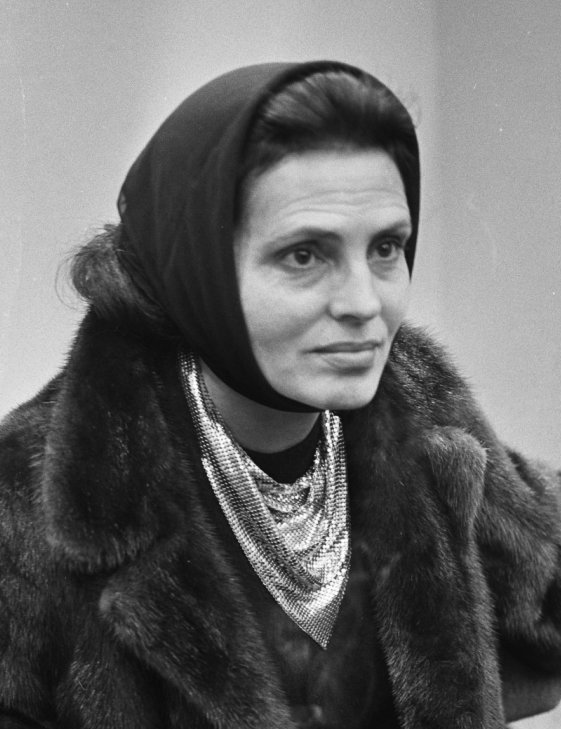
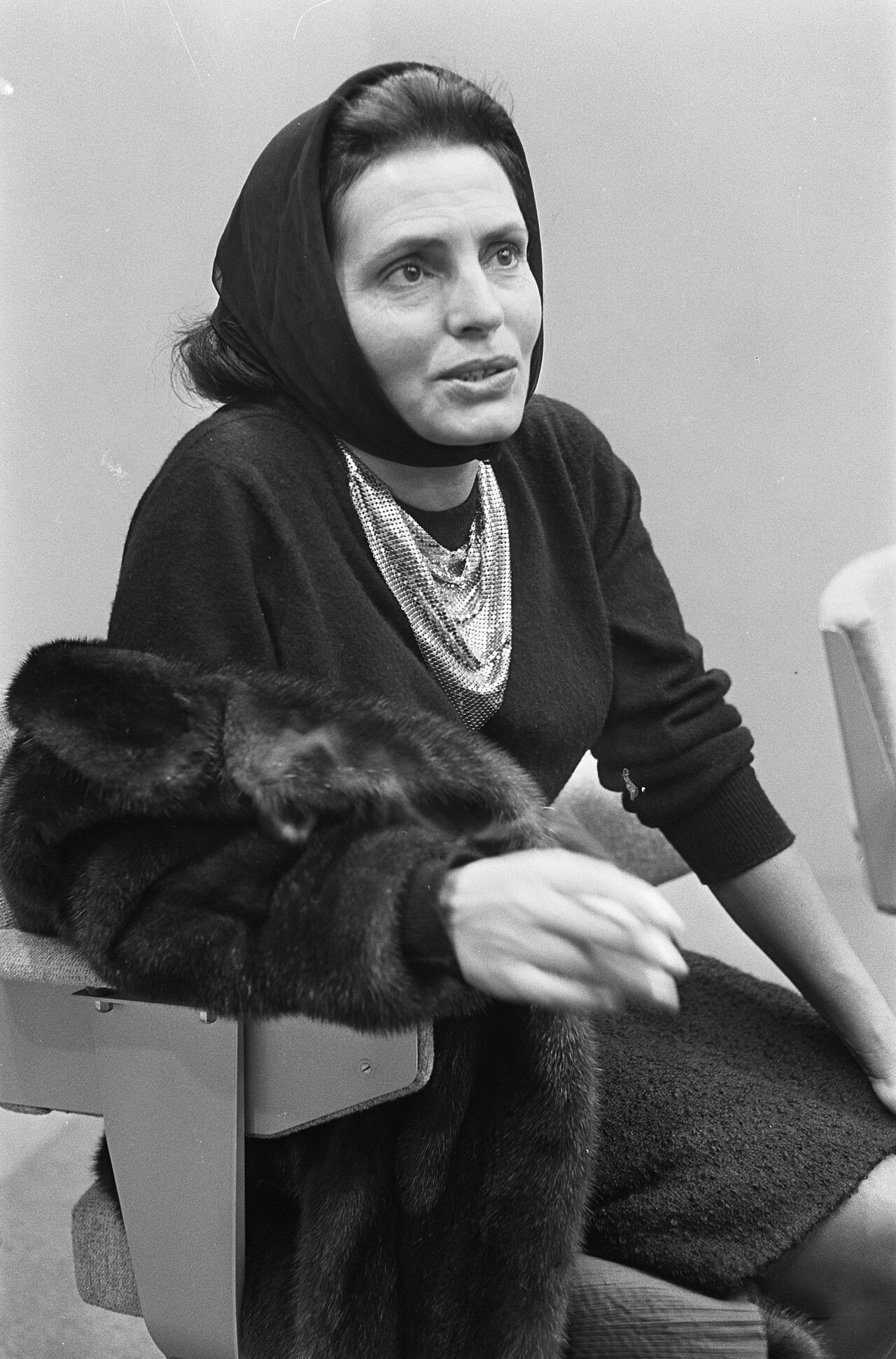
Frequently Asked Questions
Who is Amália Rodrigues?
She was a Portuguese fadista and actress who became the most iconic voice of the fado tradition. Her recordings and live performances carried the genre far beyond Portugal's borders.
What genre is Amália Rodrigues associated with?
She specialized in fado, a deeply emotional Portuguese musical tradition rooted in saudade and storytelling. She also appeared in film as an actress alongside her singing career.
Why is Amália Rodrigues important in music history?
She holds the record as the best-selling Portuguese artist in the entire history of recorded music. Her global tours and recordings introduced millions of listeners to fado for the very first time.
How did Amália Rodrigues change the world's perception of fado?
Before her career, fado was largely a local Lisbon phenomenon, but her international work turned it into a recognized world music genre. She made the tradition's melancholic themes and guitar-driven sound accessible to audiences across the globe.
What is Amália Rodrigues's lasting legacy?
She remains the definitive reference point for anyone studying or performing fado today. Her recordings set both the commercial and artistic benchmark that later fadistas still measure themselves against.
More in Latin Music Icons 1-24
Related in Latin Music Icons
Links follow this subject's own source article.
Spotted an error? Know more?
This is a living reference — every entry is fact-audited, and reader corrections feed straight into our audit queue. Suggest an edit · See this site's audit record