
Andrés Segovia
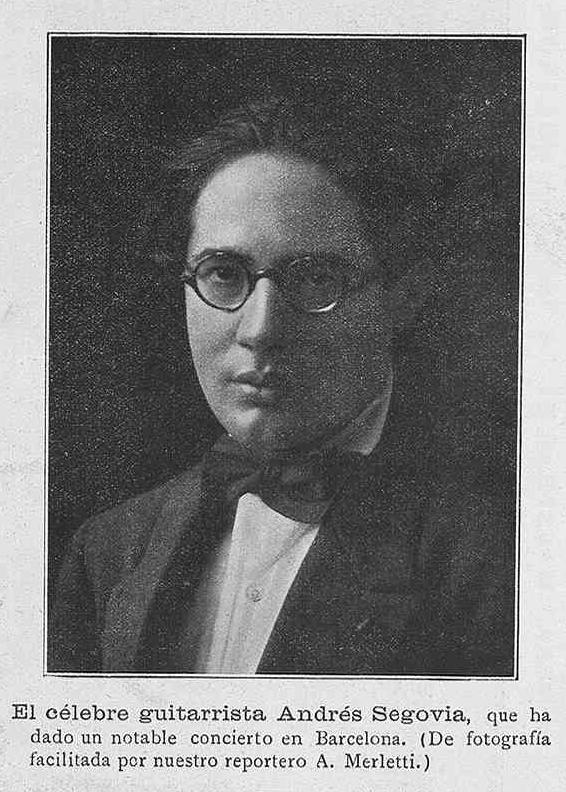
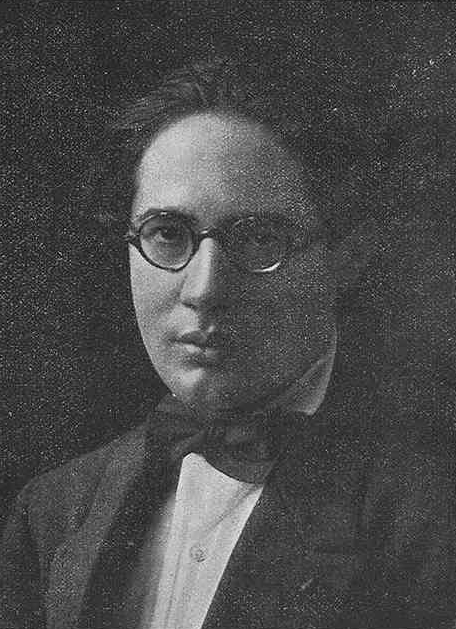
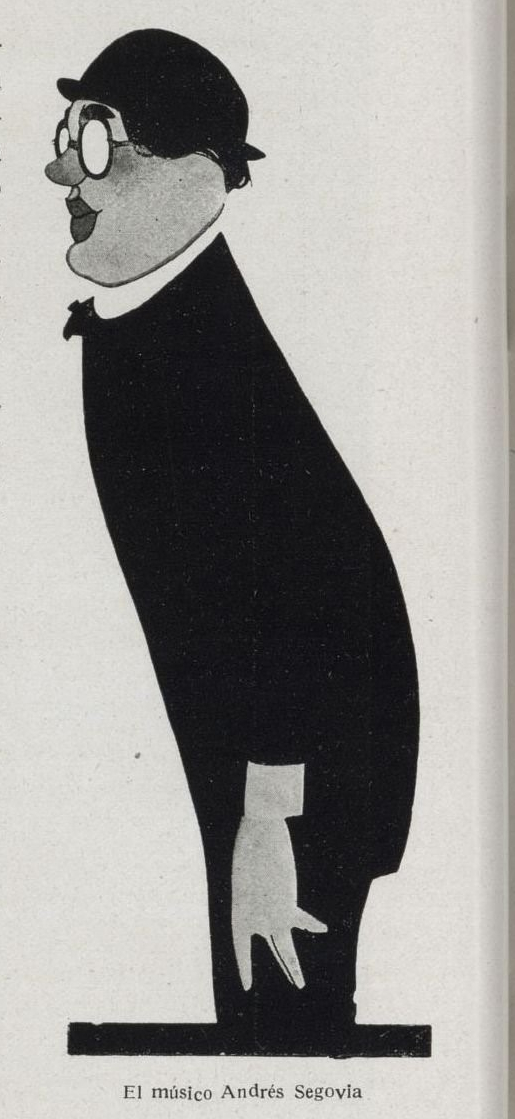
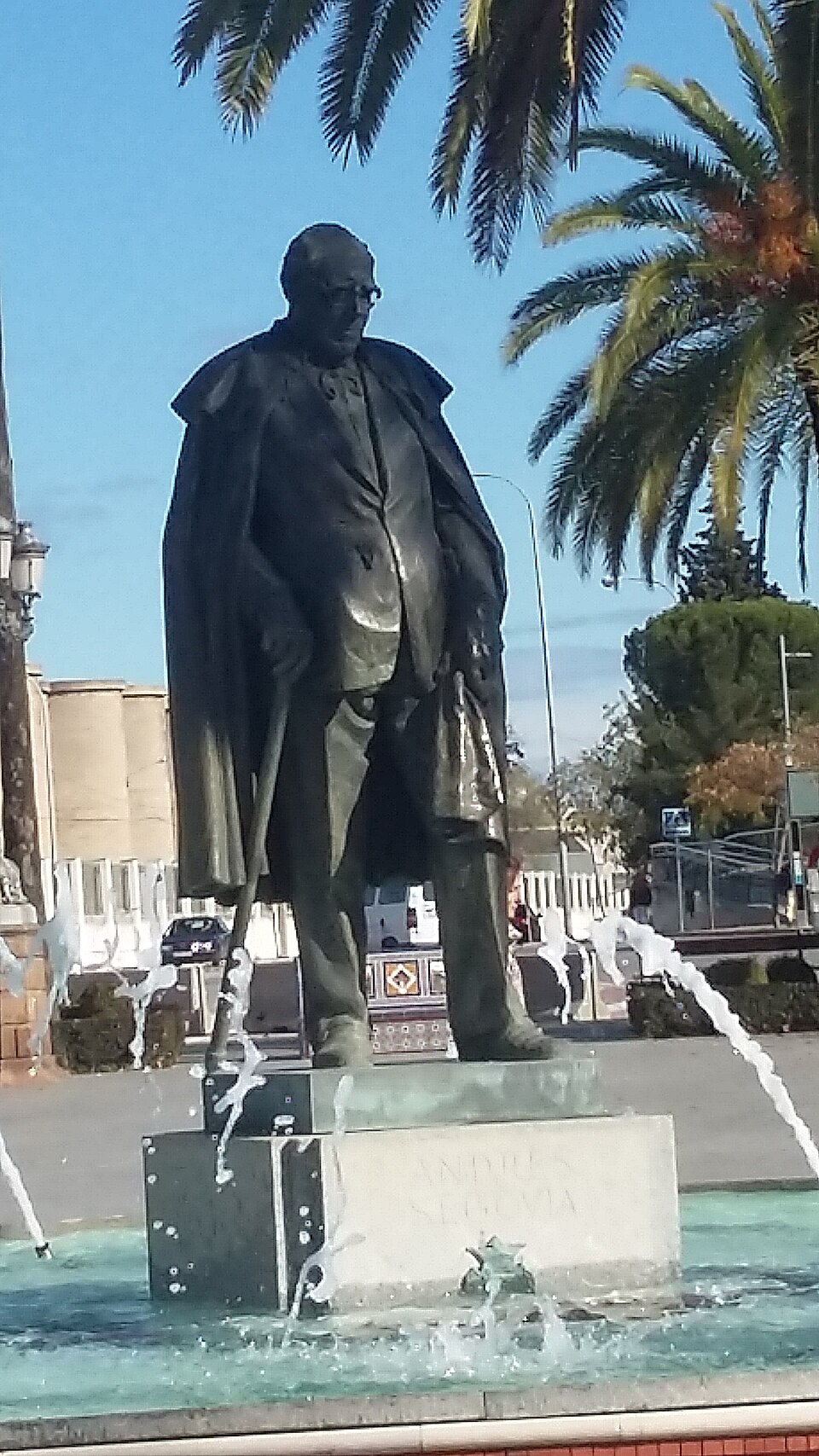
Spanish classical guitarist who revived the guitar as a concert instrument.

via Wikipedia: Violeta Parra · see source
Many professional classical guitarists were either students of Segovia or students of Segovia's students. His contribution to the modern-romantic repertoire included commissions and his own transcriptions of classical or baroque works.
- field
- Classical guitar
- nationality
- Spanish
- known_for
- Expressive performances, wide tonal palette, reviving the guitar as a concert instrument
Lore & Background
Segovia was born in Linares, Jaén, and sent to live with his uncle Eduardo and aunt María. Eduardo arranged violin lessons after recognizing Segovia's musical aptitude, but the teacher's strict methods ended the lessons. The family moved to Granada for better education, where Segovia resumed music studies. Tárrega agreed to give lessons but died before they could meet, leaving Segovia self-taught, acting as both professor and pupil. His first professional concert in Madrid included works by Tárrega and his own guitar transcriptions of Bach. Despite family discouragement and criticism from Tárrega's pupils, he continued. He died in Madrid of a heart attack at age 94.
Reader's Guide
Andrés Segovia's significance lies in his role in reviving the guitar as a concert instrument during the 20th century. His technique, using only the nails to pluck the strings and placing his right hand further to the right side of the soundhole, produced a strong, voluminous sound suitable for large concert halls, distinguishing him from the Tárrega school. Many professional classical guitarists were either his students or students of his students, ensuring his legacy. He continued performing into old age, and two films were made of his life and work.
Did You Know?
- Segovia was self-taught, acting as both professor and pupil after Francisco Tárrega died before they could meet.
- He plucked the strings only with his nails, not a combination of fingertip and nail as was commonly thought.
Gallery
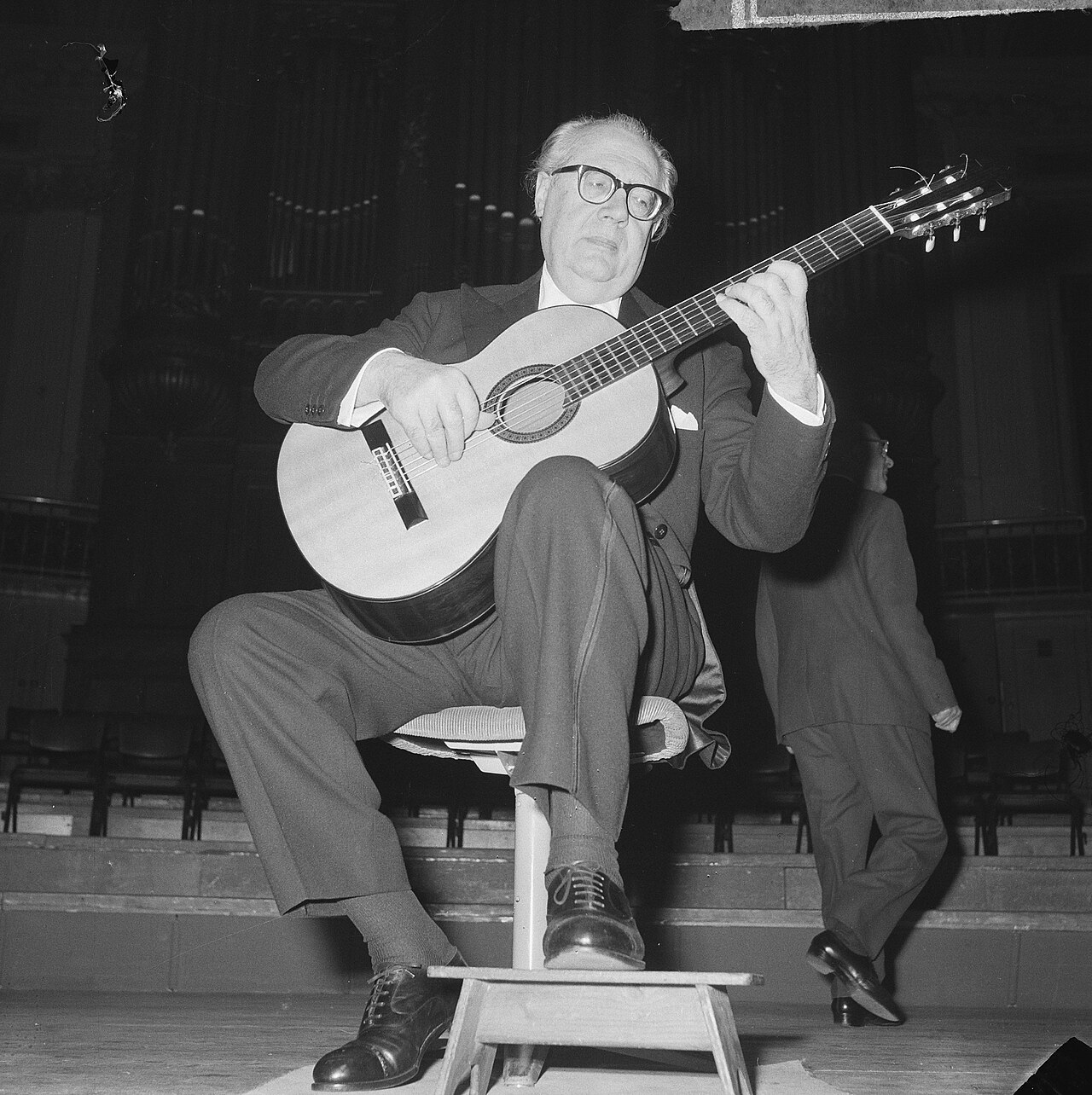
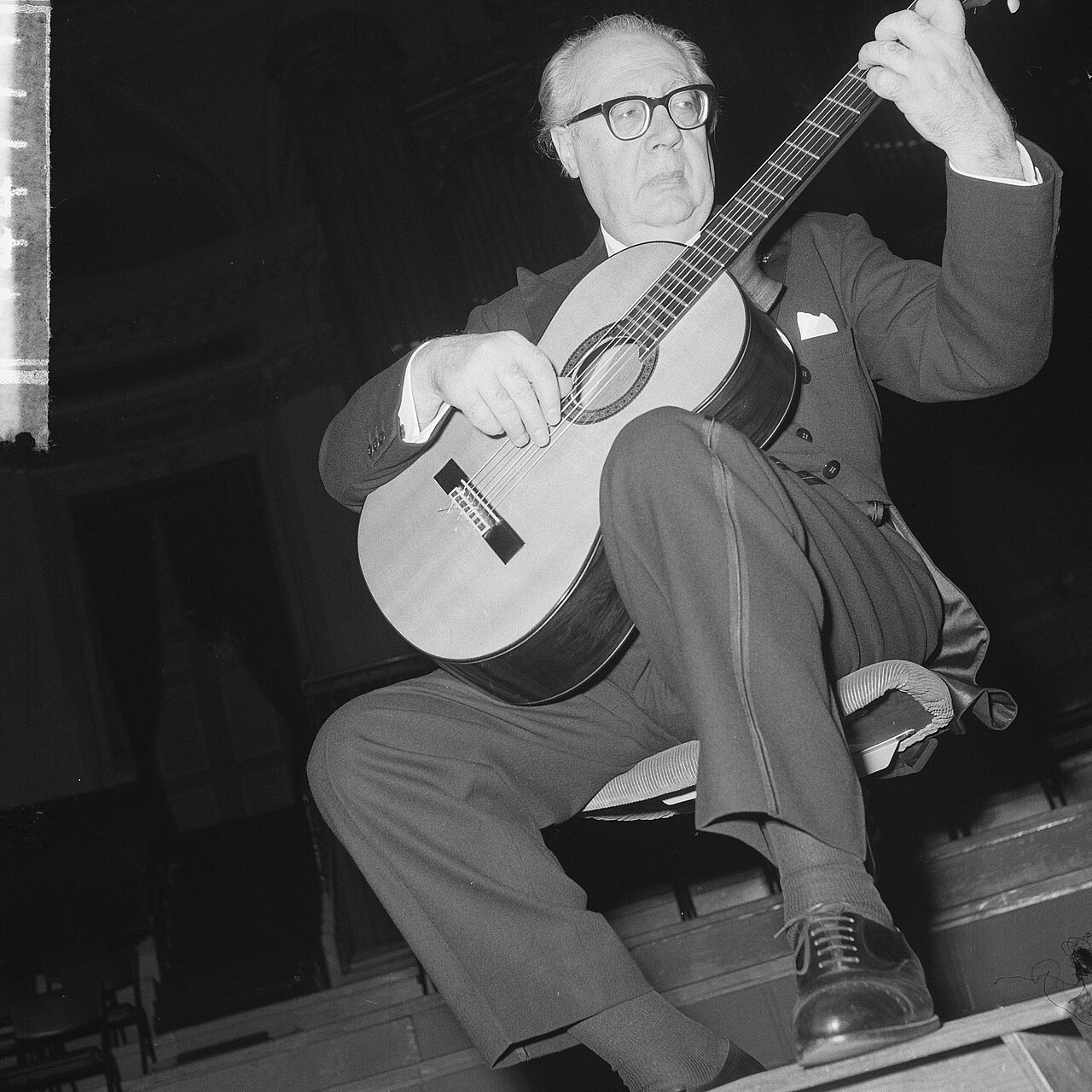
Frequently Asked Questions
Who is Andrés Segovia?
He was a Spanish classical guitarist widely credited with elevating the guitar from a modest parlor instrument to a respected concert-hall presence. His expressive playing and rich tonal palette helped define the modern identity of the instrument.
Why is Andrés Segovia important to classical guitar?
His influence runs so deep that a large share of today's professional guitarists trace their training directly to him or to one of his former students. In practical terms, he built much of the modern pedagogical lineage of the instrument.
What did Andrés Segovia contribute to the guitar repertoire?
Beyond performing, he commissioned new works and produced his own transcriptions of classical and baroque pieces for the modern-romantic guitar repertoire. This expanded the range of music considered suitable for the instrument in a concert setting.
What is Andrés Segovia most known for?
He is remembered for his deeply expressive performances, his remarkably wide tonal palette, and for reviving the guitar as a serious concert instrument. These three qualities together became the benchmark against which later guitarists are measured.
What nationality was Andrés Segovia?
He was Spanish, and his career became closely intertwined with Spain's broader musical heritage.
More in Latin Music Icons 1-24
Spotted an error? Know more?
This is a living reference — every entry is fact-audited, and reader corrections feed straight into our audit queue. Suggest an edit · See this site's audit record